A Guide To High Temperature Ceramic Coating
If you work with equipment exposed to high heat and wear, high temperature ceramic coating can help you protect your components and extend their service life. This type of coating creates a strong surface layer that withstands thermal stress and reduces damage from friction and corrosion. At A&A Coatings, we apply coatings that meet strict military and industrial standards while providing fast turnaround and technical support for your projects. Understanding how these coatings work and knowing where to apply them can save you time and reduce maintenance costs.
Understanding High Temperature Ceramic Coating
High-temperature ceramic coatings are created to resist extreme heat and mechanical stress, providing a strong protective layer for metal surfaces. These coatings work by forming a barrier that slows down wear from friction and reduces oxidation and corrosion caused by exposure to air and moisture. The composition of the ceramic material and the way it is applied determine how it performs under heat and pressure.
When choosing a coating, you should think about factors like thermal conductivity, hardness, and how it reacts to chemicals or other substances it may encounter during use. The thickness of the coating and the method used to apply it have a direct effect on how long it lasts and how effective it is in maintaining the surface integrity of your parts.
Applications Across Industries
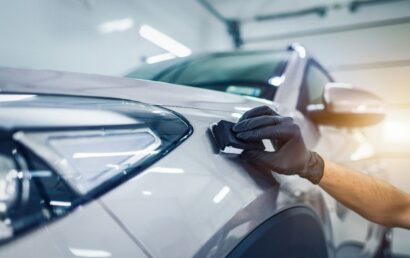
High-temperature ceramic coatings are used in many industries where heat, friction, and environmental exposure can quickly damage equipment. In aerospace and defense, coatings protect turbine blades, exhaust parts, and other components that operate at very high temperatures. Automotive applications use these coatings to extend the life of engine parts and other areas exposed to friction and heat.
Power generation facilities rely on coatings for turbines, pumps, and valves that operate continuously under demanding conditions. Manufacturing and processing companies apply coatings to molds, dies, and machinery that handle abrasive materials to reduce wear and avoid frequent repairs. These coatings help you save time and money by reducing replacement needs and extending the service life of your equipment.
The Application Process
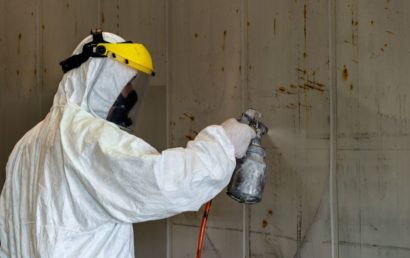
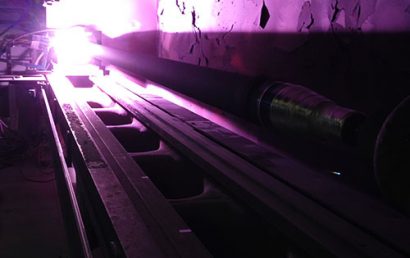
Applying high-temperature ceramic coating requires careful preparation and technical skill. Surfaces must be cleaned and prepared before the coating is applied using methods such as plasma spraying or high-velocity oxy-fuel spraying. These techniques create a dense layer of ceramic on the metal surface.
After the coating is applied, finishing steps like grinding or lapping are used to achieve the proper surface and dimensions. Working with experienced technicians allows your parts to receive a uniform coating that performs as expected in demanding conditions.
Benefits of High-Temperature Ceramic Coating
High-temperature ceramic coatings help parts last longer and reduce maintenance needs. They improve the performance of components by protecting them from heat, wear, and corrosion. You can apply coatings to meet the specific demands of your industry and type of equipment. Coatings like these reduce downtime and help parts continue to work efficiently in tough environments.
A&A Coatings provides high-temperature ceramic coating and other thermal spray services that protect your equipment and extend the life of your parts. We combine specialized coatings with machining and finishing capabilities to give you results that improve performance and reduce downtime.