UV Conformal Coating: What You Need To Know
Protecting your electronic components from moisture, dust, and environmental stress is key to long-term reliability. One of the most efficient ways to achieve this protection is through UV conformal coating. This type of coating is applied to printed circuit boards and other sensitive assemblies to provide a thin, uniform barrier that shields against damage. By curing under ultraviolet light, it delivers fast processing times and dependable results, making it a preferred option for many modern manufacturing operations.
How UV Conformal Coating Works
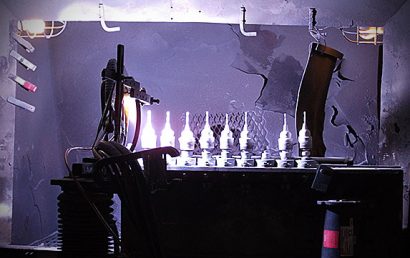
UV conformal coating is made from a polymer material that hardens when exposed to ultraviolet light. During application, the coating is sprayed, brushed, or selectively applied to the areas that need protection. Once the UV light source is directed at the coated surface, the coating cures almost instantly. This process offers both speed and accuracy, which is why it is widely used in automated production environments.
The cured layer is thin and transparent, allowing for easy inspection of the underlying circuitry. Because it conforms closely to the surface, it protects against dust, humidity, and other contaminants that could interfere with performance. The fast-curing nature of this material also helps reduce bottlenecks in production lines and supports higher throughput for your operations.
Benefits of UV Conformal Coating
This type of coating provides several practical benefits that contribute to the reliability and service life of electronic devices. The quick curing process reduces overall production time and energy use compared to traditional oven or air-dried coatings. The thin film coverage gives consistent protection without adding significant weight or altering the dimensions of your components.
It also provides resistance to common environmental hazards such as moisture, corrosion, and minor mechanical stress. For manufacturers, the improved turnaround time means faster delivery to customers and reduced operational costs. For you as a user, it means better product reliability and fewer failures caused by environmental factors.
Applications in Modern Industries
UV conformal coatings are used across a wide range of industries where performance and reliability matter. Electronics manufacturers use them on circuit boards for automotive, aerospace, defense, and consumer electronics applications. These coatings are particularly valuable in settings where exposure to heat, vibration, or moisture is likely.
In the automotive sector, coatings protect engine control units and sensors from harsh operating conditions. In aerospace systems, they help prevent corrosion in avionics and instrumentation. Even in consumer electronics, UV-cured coatings help extend the lifespan of devices that experience frequent temperature changes or high humidity. Understanding where and how these coatings are applied helps you identify the right level of protection for your products.
Factors to Consider Before Choosing UV Conformal Coating
Before selecting a coating, consider your equipment’s working environment, the required durability, and the compatibility of the coating material with your components. Some coatings may need masking or selective application to avoid covering sensitive connectors or contacts. Others may require secondary curing methods if the coating is applied to shaded or hidden areas where UV light cannot reach.
Specialized surface protection services from A&A Coatings help your equipment perform consistently and reliably. Our coating expertise and processing capabilities reduce wear, extend service life, and support dependable performance for your components.