Understanding The Benefits Of Ceramic Coatings
Quick Summary
Ceramic thermal spray coatings protect industrial parts from wear, heat, corrosion and electrical current. They are sprayed onto metal parts such as turbine components, valve balls, rolls and shafts, and they keep the part cool and the surface hard. Ceramics are hard but can chip under impact, so the right choice depends on what is wearing the part out. A&A Coatings sprays alumina, chromium oxide and zirconia systems and finishes them in house.
Industrial ceramic coatings do a job that metal alone can’t. They take heat that would soften a steel part, they resist wear from grit and sliding contact, and they insulate against electrical current. At A&A Coatings, we spray these coatings onto machine parts and finish them to size in our own shop.
This page covers what ceramic thermal spray coatings do, where industries use them and how to tell if one fits your part. It is about industrial parts like shafts, rolls, valve balls and turbine components. It is not about vehicle paint.
Key Benefits of Ceramic Thermal Spray Coatings
- Wear resistance. Hard oxide ceramics hold up against sliding wear, abrasion and erosion.
- Heat protection. A ceramic layer slows the flow of heat into the metal below it.
- Electrical insulation. Alumina-based coatings keep current from passing through a metal part.
- Corrosion and chemical resistance. A dense ceramic layer keeps aggressive media away from the base metal.
- Low heat input. Plasma spraying keeps the part below 250°F, so shafts stay straight and thin walls stay round.
Where Industries Use Ceramic Coatings
Ceramic coatings show up wherever a part runs hot, wears fast or has to be electrically isolated. Gas turbines and jet engines use them as thermal barriers on hot section parts. Semiconductor equipment uses them for insulation. We also coat engine parts such as plasma coated engine cylinders, printing rolls and piston rings.
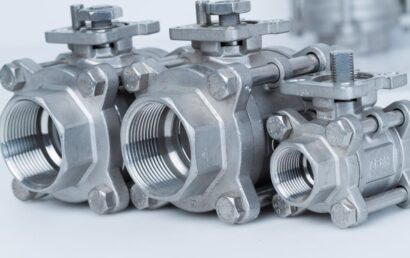
Valve balls are a good example. For the U.S. Navy, we coat each ball with alumina-titania ceramic using a 6-axis robot, then grind and polish it to a super-finish. You can read the full story in our valve balls case study.
Common Ceramic Materials We Spray
- Plasma white alumina and premium grade white alumina for electrical insulation and wear
- Alumina-titania when a part needs a little more toughness
- Chromium oxide for sliding wear
- Zirconia, titania and yttria composite for thermal barrier work
- Titanium dioxide for specialty wear and surface needs
How Ceramic Coatings Are Applied
We apply most ceramics with plasma spray. A plasma gun turns an inert gas into a plume hot enough to melt refractory ceramics. Powder goes into the plume, and the molten particles hit the prepared surface and build the coating one pass at a time.
Surface prep matters. We clean the part and grit blast it to a rough profile. Ceramic topcoats normally sit on a metallic bond coat, which helps them bond and cope with the way metal and ceramic expand differently when heated. After spraying, we grind the coating with diamond wheels to your drawing size.
Is a Ceramic Coating Right for Your Part?
Ceramics are hard, but they can chip under a hard blow. If impact is the main problem, a carbide coating from our HVOF coating services may be a better fit. If you are not sure, tell us what is wearing the part out and we will say which process we would use.
To discuss a part, contact A&A Coatings or call 888-679-5460. Send a drawing or photo, the base material and what is making the part fail. We send quotes within 24 hours.
FAQs
What are the main benefits of industrial ceramic coatings?
Wear resistance, heat protection, electrical insulation and corrosion resistance. Which benefit matters most depends on the part. A turbine component needs heat protection, while a pump shaft needs wear resistance.
Is this the same as a ceramic coating for cars?
No. Consumer ceramic coatings for cars are liquids wiped onto paint. Our coatings are thermal sprayed onto metal machine parts. A&A Coatings is an industrial job shop, and we do not coat vehicle paint.
Can ceramic coatings go on any metal part?
On most metals, yes. We coat steels and other metals, and some ceramics and plastics. We clean and grit blast every part first, and pick a bond coat to suit the base material and the ceramic.
Will ceramic spraying warp my part?
Not normally. With plasma spray the part stays below 250°F, so shafts stay straight and thin walls stay round. Welding and fused coatings put far more heat into a part.