How Long Does Thermal Spray Last In Industrial Applications?
Quick Summary
A thermal spray coating can last over 50 years with correct material choice and maintenance. The exact lifespan depends on the work environment, coating type, and application quality. A mild steel part with zinc protection may endure outdoors for decades. A ceramic barrier inside a hot chemical reactor might need inspection sooner. Your operating conditions define the timeline.
When you ask how long does thermal spray last, the answer rests on a simple principle. A protective barrier lives where the base metal would otherwise fail. Our thermal spray coating services apply this barrier directly onto your worn or new components, locking out corrosion, heat, and abrasive wear. This engineered shield buys your machinery decades of reliable performance without costly replacement cycles.
At A&A Coatings, we see the damage that unchecked friction and corrosion cause every day. Our metal galling protection spray stops cold welding between sliding metal surfaces before it starts. We bring over 70 years of technical knowledge to your project, delivering fast turnaround and precise American workmanship that keeps your operations running smoothly.
What Is Thermal Spray Coating
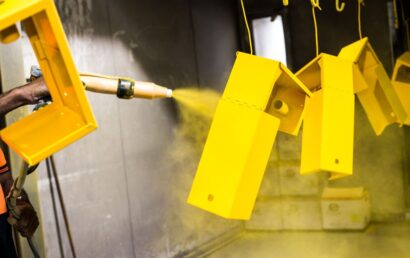
Thermal spray coating heats raw material into a molten or plastic state and propels it onto a prepared surface. The microscopic particles flatten upon impact, cool instantly, and lock together. This creates a dense, bonded layer that changes a component’s surface properties without altering the metal underneath.
Factors Affecting Coating Lifespan
External forces and application decisions dictate how many years you get from a sprayed surface. Environment, mechanical stress, and coating chemistry all work together. You control most of these variables during material selection and installation. The right combination prevents early retirement of your parts.
- Material Selection: Your choice of wire or powder determines how the coating fights its local enemy. Zinc and aluminum sacrifice themselves to save steel from rust. Tungsten carbide blends laugh at abrasive slurries. Ceramic layers block furnace heat. Select a material that directly opposes your main wear mechanism for lasting results.
- Operating Environment: Heat cycles expand and shrink metals, testing the bond line with every shift. Salt spray or acid mist chemically attacks the coating’s structure around the clock. A coating in a dry indoor shop runs forever. That same coating inside a hot acid digester may endure a harsh finite battle.
- Application Quality: A skilled hand builds a coating with low porosity and strong particle adhesion. Correct grit blasting creates a deep anchor profile for the first particles to grip. Precise spray distance and gas flow melt the material completely. Poor preparation or sloppy technique seeds early peeling and spalling.
- Post-Treatment Finishing: Sealing the natural micro-pores of a thermal spray layer blocks moisture from reaching the base metal. Machining restores exact bearing fits and smooths rough peaks. A sealed and ground coating resists fatigue cracking longer. Skipping these steps leaves your new surface open to rapid subsurface attack.
Signs Your Coating Needs Replacement
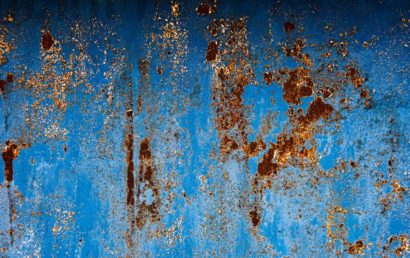
- Visible Base Metal: Rust blooms or bright steel shining through the coating signal total local breakdown. The protective barrier has vanished at that spot. The surrounding coating may look intact but start corroding from the edges. Immediate touch-up or a full re-coat stops deep pitting.
- Edge Lifting: The coating begins peeling inward from a sharp corner, crack, or scratch. Contaminants crept under the bond line during service. Once a lip forms, fluid or debris forces itself further beneath the layer. You must remove the loose material and rebuild the edge quickly.
- Measurable Thinning: Regular micrometer checks reveal how much material abrasive media has carved away. A coating worn below its minimum design thickness risks full penetration. Track your wear rates every inspection cycle. Plan a recoating date before you hit that dangerous lower limit.
Extending Coating Service Life
You command the levers that stretch coating performance beyond baseline estimates. Use a compatible sealer to fill porosity on corrosion-prone parts. Wash off abrasive grit or salt buildup with scheduled cleanings. Train operators to avoid severe thermal shock during startup procedures.
Cost Of Premature Coating Failure
A coating that flakes off within months triggers a chain of extra expenses. You pay for emergency recoating labor at overtime rates. The exposed metal part may sustain dimensional damage requiring weld repair or replacement. Downtime cascades through production schedules, losing revenue far exceeding the coating cost.
FAQs
Can Thermal Spray Coatings Outlast the Base Part?
Yes. A properly chosen coating can protect the underlying metal indefinitely. The base part survives because the coating sacrifices itself or resists wear entirely.
What Makes a Coating Peel Off Quickly?
Poor surface preparation causes most early failures. Oily, smooth, or dusty metal gives coating particles nothing solid to grip during the bonding process.
Does Coating Thickness Determine Total Lifespan?
Thicker coatings offer more sacrificial material to wear away. However, extreme thickness introduces internal stresses that risk cracking and separation during thermal cycles.
Secure Your Parts With A&A Coatings Today
Call A&A Coatings for galling prevention coatings that stop adhesive wear from destroying your expensive assemblies. Our team brings over 70 years of hands-on problem-solving to your project floor. Let our protective coating services keep your machinery running far past its expected retirement date.